
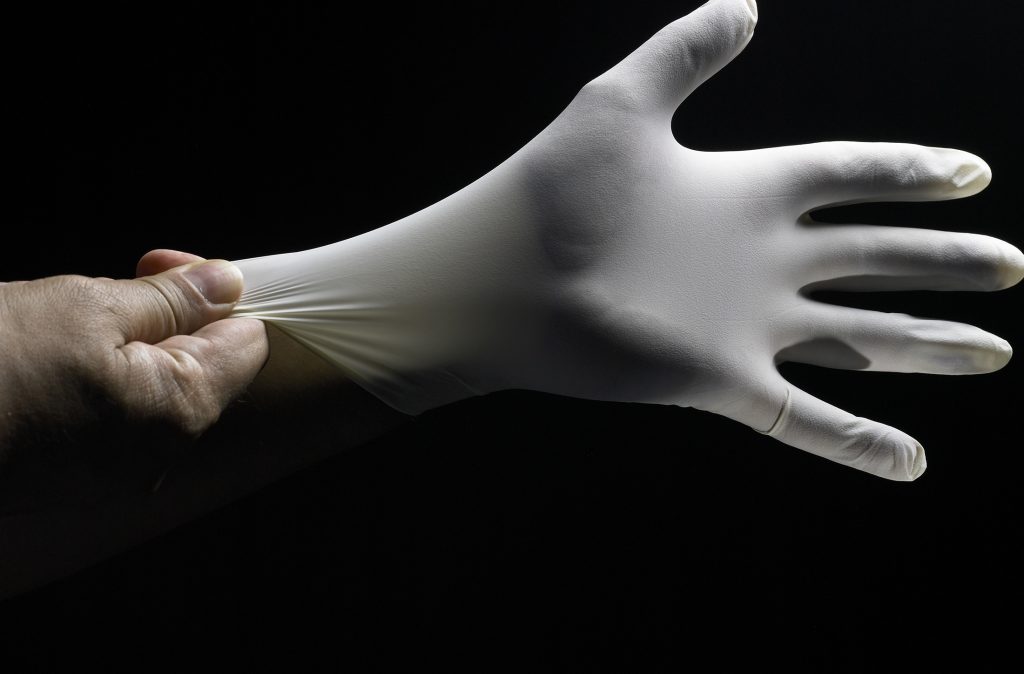
China’s demand for tires is making rubber gloves pricier
Consumers across the globe donning gloves to do the dishes may soon feel the heat from rubber being burned on China’s roads.
Surging car sales in China in the last few months have more than doubled the price of a little-known chemical called butadiene. The colorless gas, used for making synthetic rubber, has soared in tandem with rising tire demand, increasing raw material costs at some of the world’s largest rubber-glove makers. And now they warn the price increase will be passed to you.
The butterfly effect shows how the footprint left by China’s burgeoning middle class is influencing the price of everything from steel to palm oil. And while rubber’s price surge can’t all be blamed on China — floods in Thailand have stoked concern about supplies of natural rubber — the majority of butadiene is estimated to be used in the automobile industry.
Butadiene “buyers never thought that Chinese automobile purchases would have increased so much,” said Anthony Song, an analyst at IHS Global Chemical in Singapore, adding that the auto industry is the biggest user of synthetic rubber made from the chemical. “Butadiene prices rose $1,000 a ton in just one month. There are some concerns over Thai natural rubber supplies declining by 10 percent, but speculative trading is pushing synthetic rubber prices much higher.”